

정전은 전력망의 궁극적인 붕괴입니다. 갑작스럽고 혼란스러우며 파괴적입니다. 2003년에는 소프트웨어 오류로 5천만 명이 암흑 속에 갇혔습니다. 금융계에서는 플래시 크래시 또는 시스템 붕괴(2008년 금융 위기나 암호화폐 겨울처럼)를 정전이라고 합니다.
우리는 스마트 그리드를 통해 효율성을 최적화하고 고전압 위험 에 대비해 안전 차단기를 설치했습니다 . 이제 최악의 상황에 대비할 차례입니다. 정전이 발생하면 어떻게 다시 전력을 공급할 수 있을까요? 이 가이드는 블랙 스완 사태와 같은 예측 불가능한 상황에서 생존하는 데 필요한 정전 예방 및 재해 복구 프로토콜을 설명합니다.
1. 블랙 스타트 기능: 제로 상태에서 복구
“블랙 스타트”는 외부 송전망에 의존하지 않고 발전소를 재가동하는 절차입니다. 이를 위해서는 내부 배터리 또는 디젤 발전기를 사용하여 주 터빈을 가동해야 합니다.
재정적 블랙 스타트:
만약 거래 계좌 잔액이 0이 된다면, “디젤 발전기”라도 있으신가요? 예를들어 실제로 순간적인 결심으로 투자를 마치 카지노사이트에서 게임을 하듯이 도파민에 속아
여유 자금을 생각하지 않을때 큰 문제가 발생합니다.
이는 비상 자금 또는 별도의 소득원 입니다 . 잃어도 괜찮은 돈으로만 투자하십시오. 시장 변동성과 완전히 분리된 외부 자금원(직업, 사업, 현금 저축)을 확보해야 합니다. 그래야만 시장이 완전히 붕괴되는 상황에서도 삶을 재건하고 결국 시장에 다시 진입할 수 있는 에너지를 확보할 수 있습니다.
2. 중복성: N+1 전략
핵심 기반 시설은 N+1 이중화 방식으로 구축됩니다. 변압기 하나가 고장 나더라도 백업 변압기가 즉시 부하를 대신 처리합니다. 따라서 단일 장애 지점이 없습니다.
포트폴리오 중복성:
모든 자본을 하나의 거래소나 하나의 지갑에 보관하지 마십시오.
- 거래소 분산: 최소 2~3개의 서로 다른 플랫폼을 사용하세요. 만약 한 플랫폼이 해킹당하거나 규제를 받더라도(예: FTX), 전체 자산이 동결되는 것을 방지할 수 있습니다.
- 자산 중복성: 유사한 기능을 수행하지만 위험도가 다른 자산을 보유하십시오(예: 금과 비트코인). 하나가 가치 저장 수단으로서 제 역할을 하지 못하더라도 다른 하나가 백업 역할을 합니다.
북미 전력신뢰성위원회(NERC)는 이중화 기준을 의무화하고 있습니다. 귀사의 재정적 생존 또한 이와 유사한 엄격한 기준을 채택하는 데 달려 있습니다.
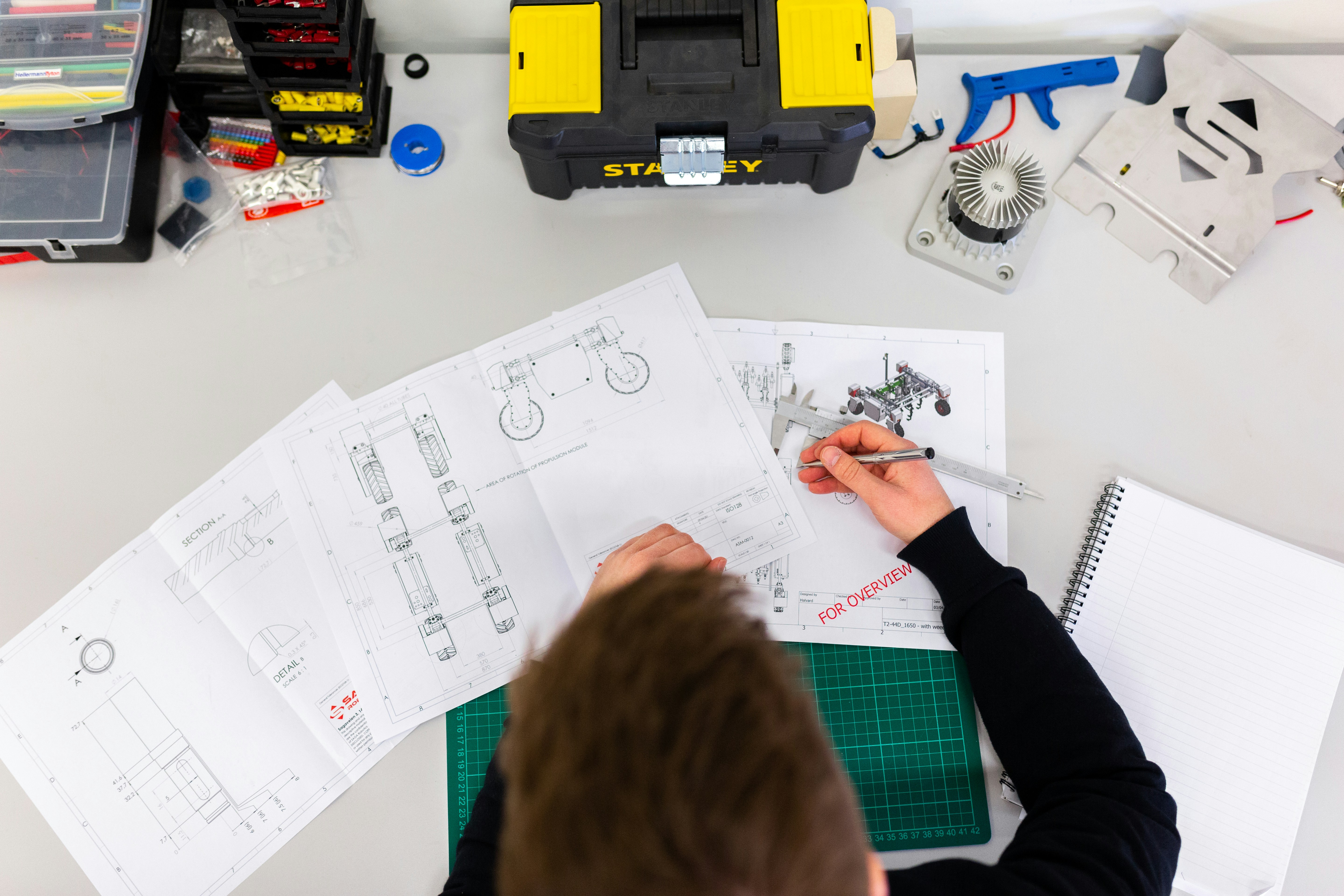
백업 시스템은 준비 상태를 보장하기 위해 정기적으로 테스트해야 합니다.
3. 아일랜딩: 고장 발생 지점 격리
‘아일랜딩’이란 전력망의 일부가 주 네트워크에서 분리되어 해당 지역에 독립적으로 전력을 공급하는 것을 말합니다. 이는 연쇄적인 고장으로 전체 시스템이 마비되는 것을 방지합니다.
전략적 섬화:
특정 업종(예: 기술주)이 폭락할 때는 해당 업종을 분리해서 분석해야 합니다.
실패한 투기적 투자로 인한 마진콜을 메우기 위해 안정적인 자산(부동산, 채권)을 팔지 마십시오. 잘못된 거래는 개별적으로 실패하도록 두십시오. 손실을 “보호”하십시오. 실패할 위기에 처한 포지션을 살리기 위해 안전한 계좌의 자금을 모두 소진하는 것은 마치 변전소에서 시작된 손실이 도시 전체로 확산되는 것을 방치하는 것과 같습니다.
4. 수요 반응: 부하 감축
전력 공급 위기가 발생하면 전력망 운영자는 “수요 반응”을 요청하여 공장에 가동을 중단함으로써 병원과 가정에 필요한 전력을 절약하도록 합니다.
약세장이나 연패 기간에는 과감한 비용 절감을 실행해야 합니다 .
- 투자 규모 줄이기: 평소 투자 금액을 50% 이상 줄이세요.
- 거래 빈도를 줄이세요: 거래 횟수를 줄이십시오. 정신적 에너지와 자본을 보존하세요.
- 비용 절감: 구독료와 간접비를 줄이세요.
생존이란 전기가 다시 들어올 때까지 에너지 소비량을 줄이는 것입니다.
5. 사후 분석: 어둠 속에서 배우는 교훈
대규모 정전이 발생할 때마다 엔지니어들은 근본 원인을 찾기 위해 정밀 조사를 실시합니다. 나뭇가지가 원인이었을까요? 사이버 공격이었을까요? 센서 고장이었을까요?
거래 일지:
큰 손실을 겪은 후에는 포기하지 마세요. 당신은 그 교훈을 얻기 위해 수업료를 지불했습니다. 반드시 그 교훈을 배우세요.
거래 내역을 검토해 보세요. 손절매 주문을 무시했습니까? 과도한 레버리지를 사용했습니까? FEMA 재난 대응 프로토콜에 따르면, 피해 완화는 취약점을 파악하는 것에서 시작됩니다. 사후 분석 없이는 같은 대규모 정전 사태를 반복할 수밖에 없습니다.
결론: 회복탄력성은 설계된 것이다
정전은 ‘일어날지 안 일어날지’의 문제가 아니라 ‘언제 일어날지’의 문제입니다. 시장은 폭락할 것이고, 알고리즘은 바뀔 것이며, 당신의 전략은 스트레스 테스트를 받게 될 것입니다.
DPL Energy Tech 에서는 막연한 희망에 의존하지 않습니다. 엔지니어링에 의존합니다. 블랙 스타트 기능, 이중화 시스템, 격리 프로토콜을 구축함으로써 전 세계가 정전되는 상황에서도 귀사의 전력은 계속 공급될 수 있도록 보장합니다.
면책 조항: DPL Energy Tech에서 제공하는 콘텐츠는 교육 목적으로만 사용됩니다. 과거 실적은 미래 결과를 보장하지 않습니다.
